
Fuel stock levels at Johannesburg OR Tambo Airport have dipped below the recommended benchmark.
The Airports Company of South Africa (ACSA), which owns and operates the country’s nine principal airports, has warned of a potential crisis in jet fuel supply owing to a dispute between the South African Revenue Service (SARS) and petroleum companies.
Dispute between SARS and fuel suppliers
According to a media statement by ACSA, the company was requested to assist in deliberations between the South African Petroleum Industry Association (SAPIA), SARS, and individual petroleum companies to resolve a tax dispute regarding the use of the multi-product pipeline from Durban to Johannesburg, and related storage facilities.
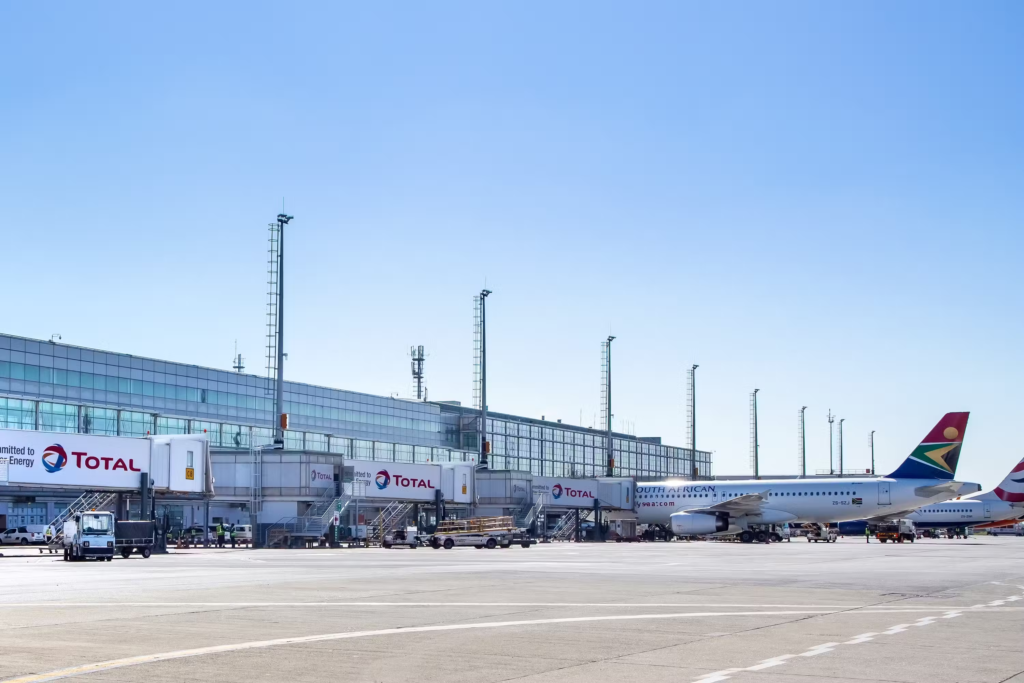
The airports company has been engaged in the deliberations, as it is concerned about the negative impact of the fuel shortage on its airport operations. The concerns come as the inland refinery, which is also the primary source of jet fuel into Johannesburg OR Tambo International Airport (JNB), is preparing for a planned temporary shutdown between May and June 2024.
The planned closure has led to a greater dependence on imported fuel from Durban, but as an anticipated development, jet fuel supply will continue through alternative routes. However, the shutdown comes during a dispute between SARS and the petroleum companies, which raises concerns about a potential jet fuel supply crisis. The Airports Company of South Africa said,
“This planned shutdown unfortunately coincides with the challenges posed by the SARS impasse with the parties. This is the reason for the potential crisis in jet fuel supply, and as indicated, ACSA, SARS, and SAPIA have been discussing and are finalizing the implementation of the contingency plans to avert this situation.”
Fuel stock levels at Johannesburg Airport
With the refinery preparing for the shutdown, the overall fuel stock levels at Johannesburg OR Tambo recently dipped below the recommended five days’ cover, which provides a buffer to cater for any unexpected short-term interruptions that may occur in the jet fuel supply chain. Some airlines serving South African airports have already been warned of reduced fuel supply and have started taking operational decisions to plan for this impact on their services.
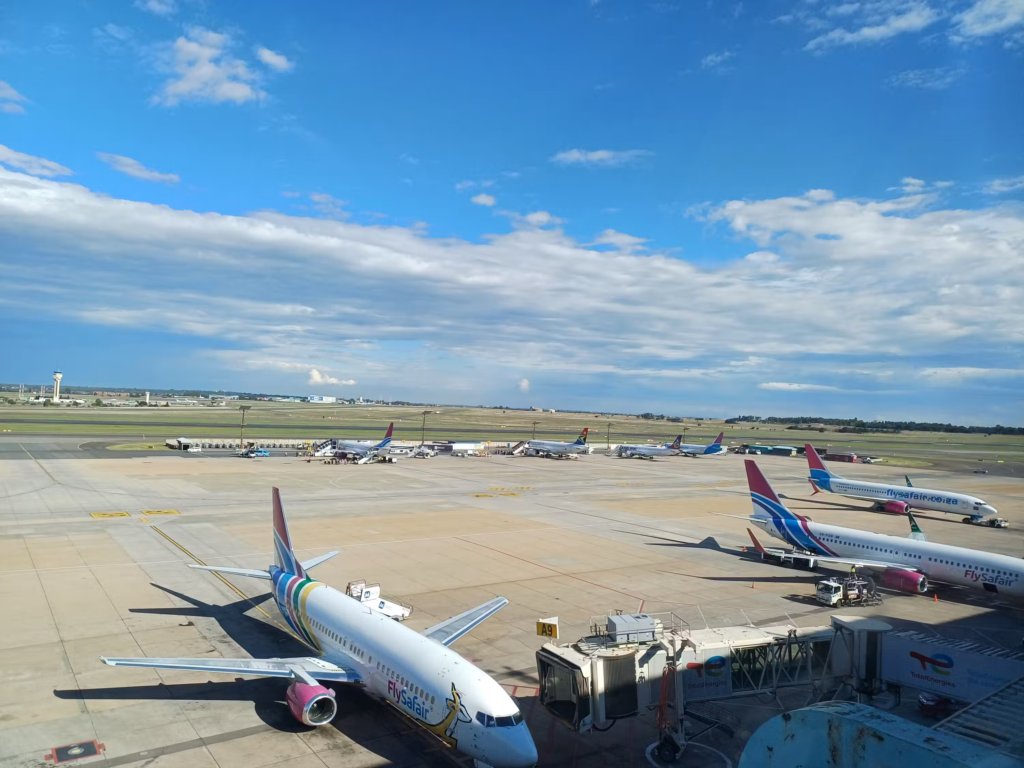
ACSA remains in communication with all parties to find ways to resolve the matter. The company has requested patience from stakeholders until it has received firm feedback from SARS, SAPIA, and the petroleum companies. ACSA further highlighted that keeping adequate jet fuel stocks to meet the demands of airlines is the responsibility of the fuel suppliers and SAPIA, which use its infrastructure.
Following the correct procedures for moving fuel
SAPIA Executive Director Avhapfani Tshifularo told News24 that the dispute was not really about tax but related to the correct procedure to move the fuel – specifically Duel Purpose Kerosene (DPK), which is also used for domestic purposes. He stated,
The processes that we had in the past, they have not been aligned to a sort of ‘import mode’. And if you don’t move product according to the SARS procedures, you can be penalized.
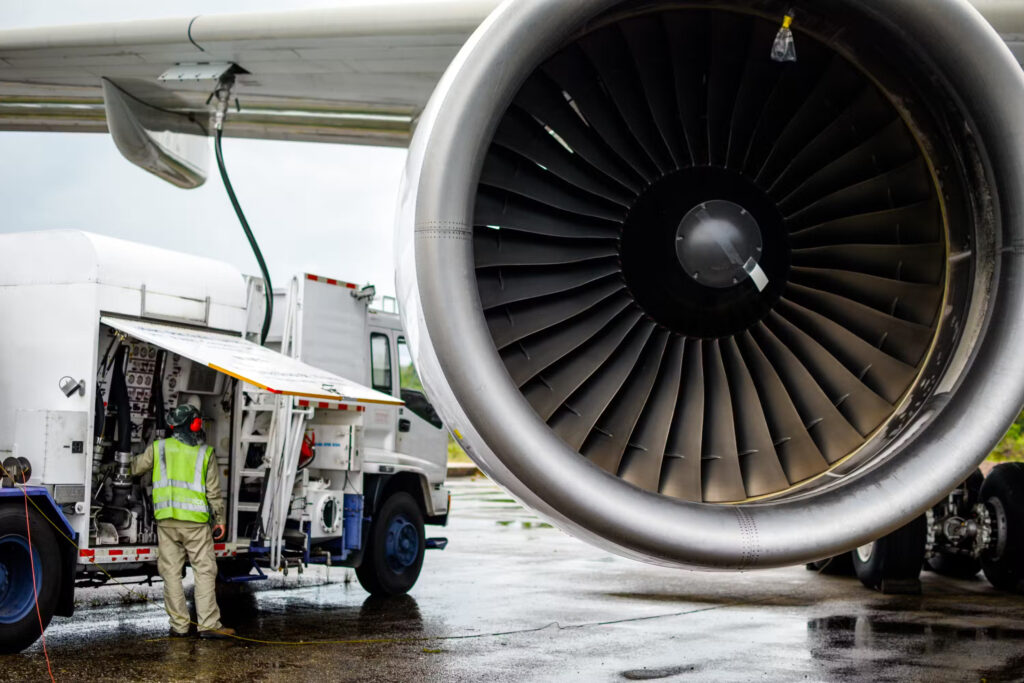
While the handling procedures differ depending on the market the fuel is supplied to, different processes must also be followed depending on whether the fuel is produced locally or imported. According to News24, the closure of South African refineries, including Durban’s Enref and Sapref, has led to a greater dependence on imports, with local processes and procedures still yet to catch up.
Source: https://simpleflying.com/south-african-airports-jet-fuel-crisis/