
On Sept. 20, 2021, the Biden administration announced it would simultaneously relax travel restrictions for foreign nationals traveling from China, Iran, the Schengen Area, the U.K., Brazil, Ireland, South Africa, and India, and impose new travel requirements for travelers from all other countries. The Biden administration will start requiring all adult travelers to provide proof of vaccination against COVID-19 and provide proof of a negative COVID-19 test taken within three days of boarding their flight to the United States. This change in policy is scheduled to go into effect in November 2021.
With respect to unvaccinated American citizens, foreign national children who cannot be vaccinated, or individuals who obtain an exemption to the vaccination requirement, they will be required to provide proof of a negative test within one day of departure and provide proof they have purchased a viral test to be taken after arrival. Limited exemptions to the vaccination requirement will be granted to children, vaccine trial participation, and those who can demonstrate an important reason for travel and lack of access to vaccination in a timely manner (e.g., refugees from conflict zones). Furthermore, the CDC will issue a contact tracing order requiring airlines to collect certain contact data for all international air travelers, and the administration confirmed the mask mandate will continue through Jan. 18, 2022.
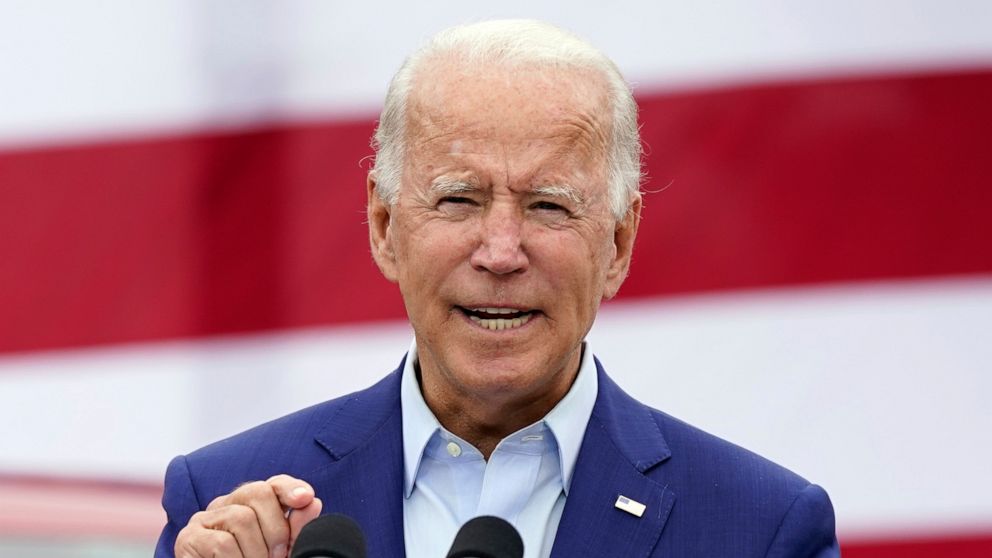
While this is a welcome change for travelers previously subject to the geographic travel restrictions, the impact is far greater on the rest of the world that will now be subject to a strict vaccination requirement. Previously, travelers from the majority of Central and South America, almost all of Africa, Asia, and the Middle East could travel freely in and out of the United States with only the pre-departure testing requirement. Now, many of these individuals may be restricted from entering the U.S. due to the lack of availability of vaccines in those areas.
Finally, a key aspect of this policy appears unresolved: which vaccines will qualify. Looking towards countries in the EU, many of which have already had a vaccinated traveler exemption for months, the only vaccines that qualify for their exemption are Pfizer, Moderna, Johnson & Johnson and AstraZeneca – all of which have been approved by the European Medicines Agency. If the United States took a similar approach – only Pfizer, Modern and Johnson & Johnson have been approved by the FDA. AstraZeneca has not been approved in the United States, and AstraZeneca has been in widespread use across Europe (the EU released a statement pushing the United States to ensure AstraZeneca-vaccinated travelers could travel to the U.S.). Furthermore, the United States has not approved the Chinese or Russian-made vaccines, which have been in use in the Middle East, South America, Africa, and Asia. For instance, Sinovac and AstraZeneca are the only vaccines available in Brazil. In short, this new policy could end up restricting more travel than it permits.
The Biden administration provided the following FAQ regarding this policy:
Q: Why have you kept the previous policies in place for so long? Why make this change now? What changed between now and January when you took over this system and kept it in place for 8 months?
- Maintaining the prior system while vaccinations ramped up around the world was the most effective way to keep Americans safe. Now, nearly 6 billion shots have been given globally and dozens of countries have strong vaccination rates. This new system allows us to implement strict protocols to prevent the spread of COVID-19 from passengers flying internationally into the United States, by requiring that adult foreign nationals traveling to the United States be fully vaccinated.
Q: Why are you announcing it now if it won’t be active until November? What are next steps?
- Announcing the changes now gives the appropriate amount of time for strong implementation. Airlines and other private businesses need some lead time to make business decisions about travel later in the year and to prepare for putting the changes in place. CDC will be replacing the current Global Testing Order with an updated approach that requires vaccination for foreign nationals, tightens the pre-departure testing requirements, and adds a post-arrival testing requirement for unvaccinated travelers. They will also be issuing a new Contact Tracing Order. DHS, FAA, and State will also be working to develop the directives and processes for implementing these changes via the boarding process with airlines and through consular affairs offices. So, we are going to take the time to get this right.
Q: Won’t this change increase travel to the United States? Doesn’t that add to risk at a time when hospitals are overflowing in many parts of the country?
- This enhances the protections for the American people by requiring ALL foreign nationals to be fully vaccinated before boarding a plane to come to the United States, with very limited exceptions. It will also require American citizens and residents who are not vaccinated to test within a day of boarding a plane rather than three days, which will provide stronger protections against infected people boarding planes.
Q: Isn’t this just an admission that the travel restrictions do not make sense?
- Maintaining the prior system while vaccinations ramped up around the world was the most effective way to keep Americans safe. Now, nearly 6 billion shots have been given globally and dozens of countries have strong vaccination rates. This new system allows us to implement strict protocols to prevent the spread of COVID-19 from passengers flying internationally into the United States, by requiring that adult foreign nationals traveling to the United States be fully vaccinated. Read more